
The automatic watch is one of those objects that instantly fascinates, even for people who are not passionate about watchmaking. At once technical, elegant, and durable, it relies on an ingenious mechanical movement that allows it to run without a battery. This autonomous operation is precisely what sets it apart from a quartz watch and gives it a true personality.
Wearing an automatic watch means choosing a living timepiece that winds itself through the motion of your wrist. Behind this apparent simplicity lies precise horological craftsmanship, passed down through generations. If you want to understand what makes this type of watch so special, you are in the right place.
What is the difference between a quartz watch and an automatic watch?
The difference between a quartz watch and an automatic watch lies primarily in their power source. A quartz watch runs on a battery, which powers an electronic oscillator responsible for maintaining high accuracy. An automatic watch, on the other hand, does not require a battery: it is powered by a mechanical movement wound by the wearer’s motion.
In practical terms, quartz watches are often easier to live with. They are accurate, require little maintenance, and are perfectly suited for everyday use. Automatic watches, however, appeal more for their mechanical charm, traditional craftsmanship, and the pleasure they provide in use.
Key differences include:
A quartz watch runs on a battery, while an automatic watch uses a mainspring wound by movement.
Quartz watches are generally more accurate day-to-day, while automatic watches may vary slightly depending on usage conditions.
Quartz watches require very little attention, whereas automatic watches need to be worn regularly or wound if they stop.
Automatics are often chosen for their more traditional and emotional horological appeal.
In short, quartz focuses on practicality, while automatic watches emphasize mechanics and experience. Both have their value, but they do not offer the same relationship with watchmaking.
How does an automatic watch mechanism work?
The functioning of an automatic watch relies on a set of mechanical components that transform motion energy into timekeeping. At the heart of the system is the rotor, a mobile weight that rotates freely inside the case. With every wrist movement, it spins and winds the mainspring, which stores the energy needed to power the watch.
This energy is then transmitted through a series of gears. The escapement regulates its release, while the balance wheel sets the rhythm and ensures timekeeping consistency. This coordinated system allows the watch to continuously measure hours, minutes, and seconds.
Most automatic watches include a power reserve. This means they can continue running for a certain period even when not worn. Depending on the model, this reserve typically ranges from 38 to 72 hours, offering flexibility in daily use.
This mechanism is also what gives automatic watches their unique charm. They do not depend on a battery, but on real, almost organic motion. Wearing this type of watch creates a direct connection with its inner workings.
Which brand should you choose for an automatic watch?
The choice of brand depends on your budget, style, and intended use. At Emile Léon, several brands offer automatic watches known for their quality, reliability, and strong identity.
Among the brands available, you will find Seiko, Tissot, HAMILTON, Certina, Frédérique Constant, Mido, Lip, Alpina, Oris, MeisterSinger, Citizen, Pequignet, RADO, March LA.B, and D1 MILANO. Each has its own universe: some focus on classic elegance, others on sporty, contemporary, or technical designs.
A few key insights:
Seiko: ideal for discovering automatic watches with excellent value for money.
Tissot: a reliable Swiss brand, versatile and accessible.
HAMILTON: known for its distinctive style and well-balanced models.
Certina: a strong choice for those who like robust, sporty watches.
Frédérique Constant: an elegant brand often chosen for dress watches.
Mido: recognized for its modern lines and refined mechanical movements.
Lip: notable for its French identity and bold design.
March LA.B: a more creative option with a strong design personality.
Ultimately, the right choice depends on your use and aesthetic preferences. An automatic watch is not chosen only for its specifications, but also for the feeling it gives on the wrist.
Why choose an automatic watch?
Discover our automatic watches :
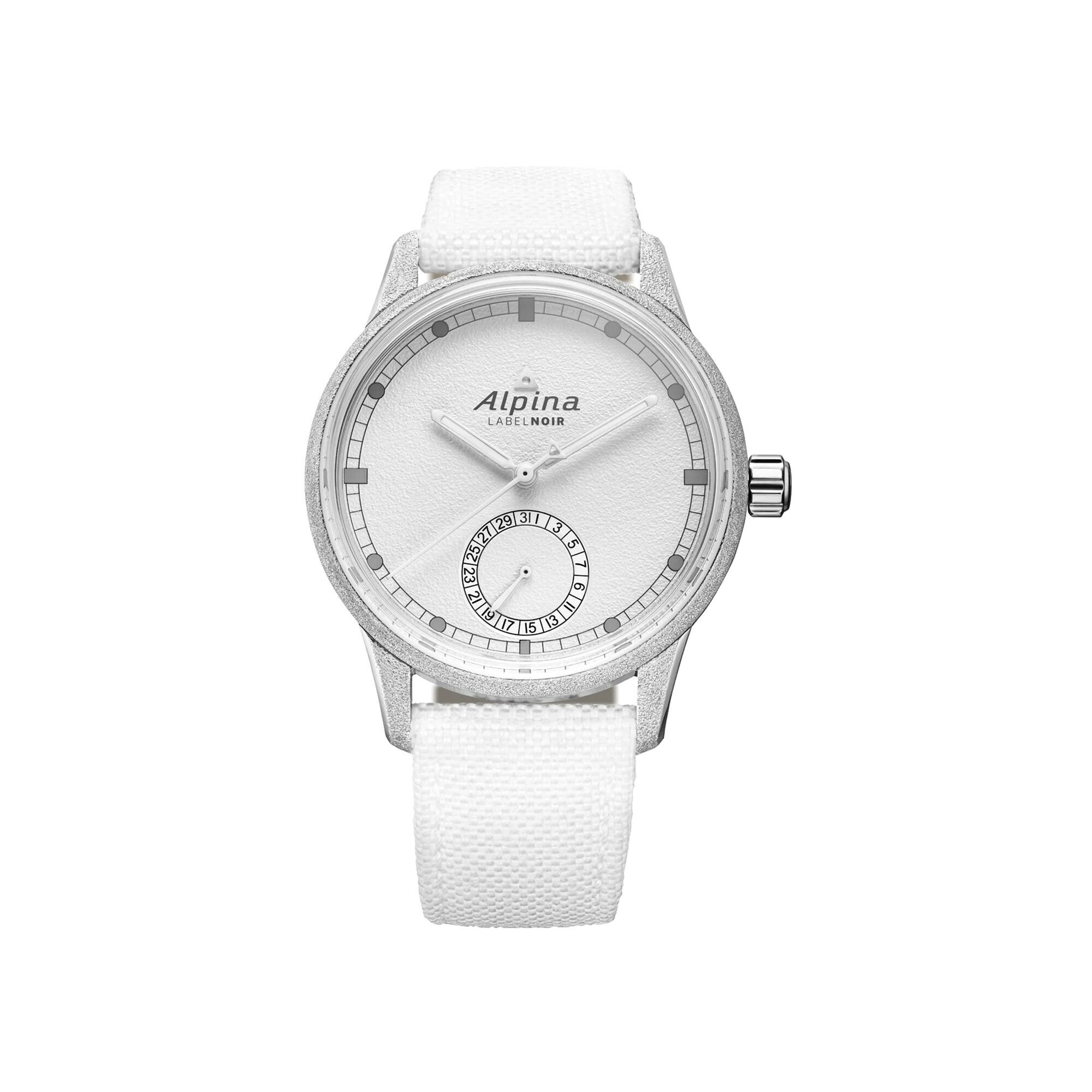
Alpina
Alpina Alpiner Date Manufacture watch
3695 €
Or
10x
376.74 €
fees included
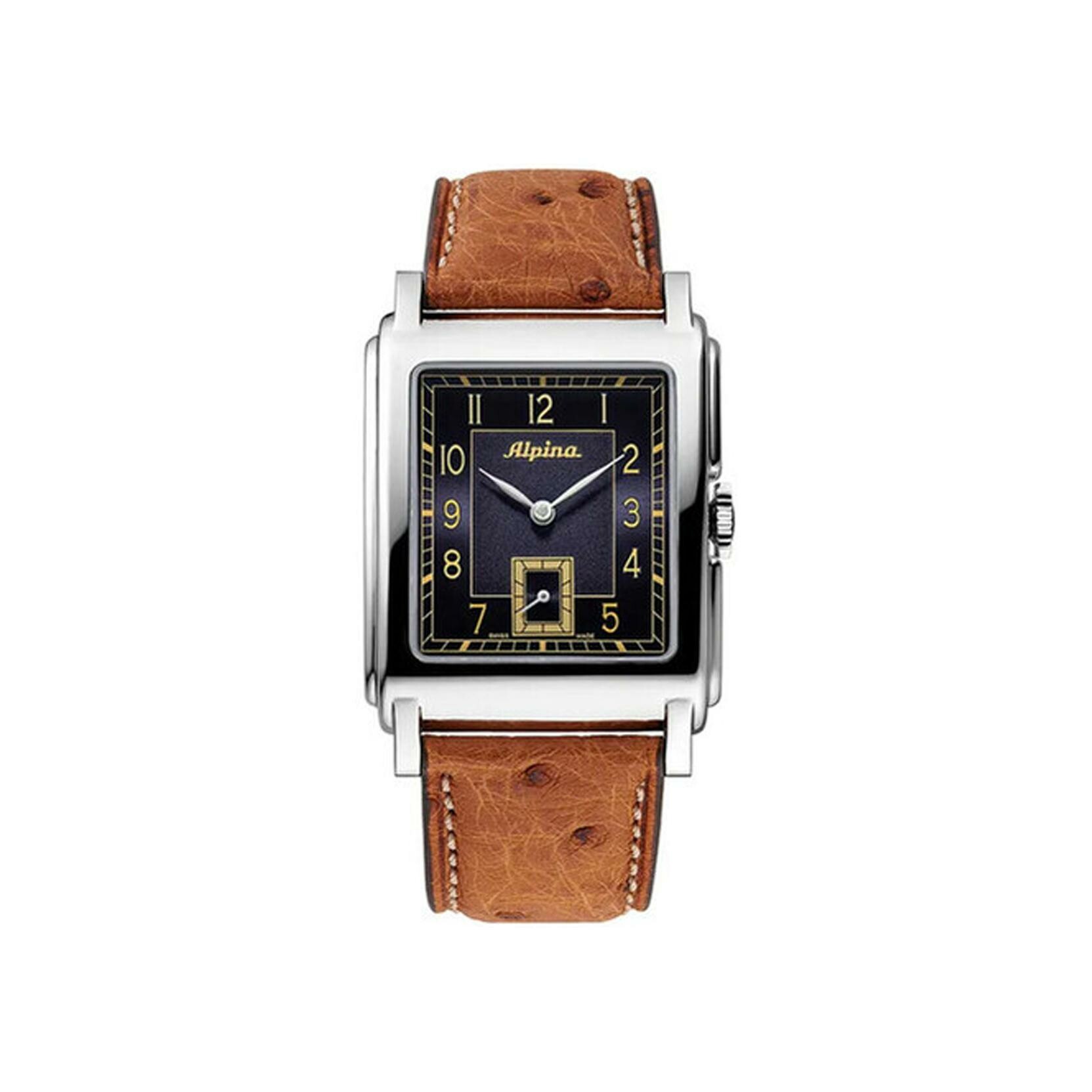
Alpina
Alpina Heritage Carrée Automatic 140 Years watch
1695 €
Or
10x
172.82 €
fees included
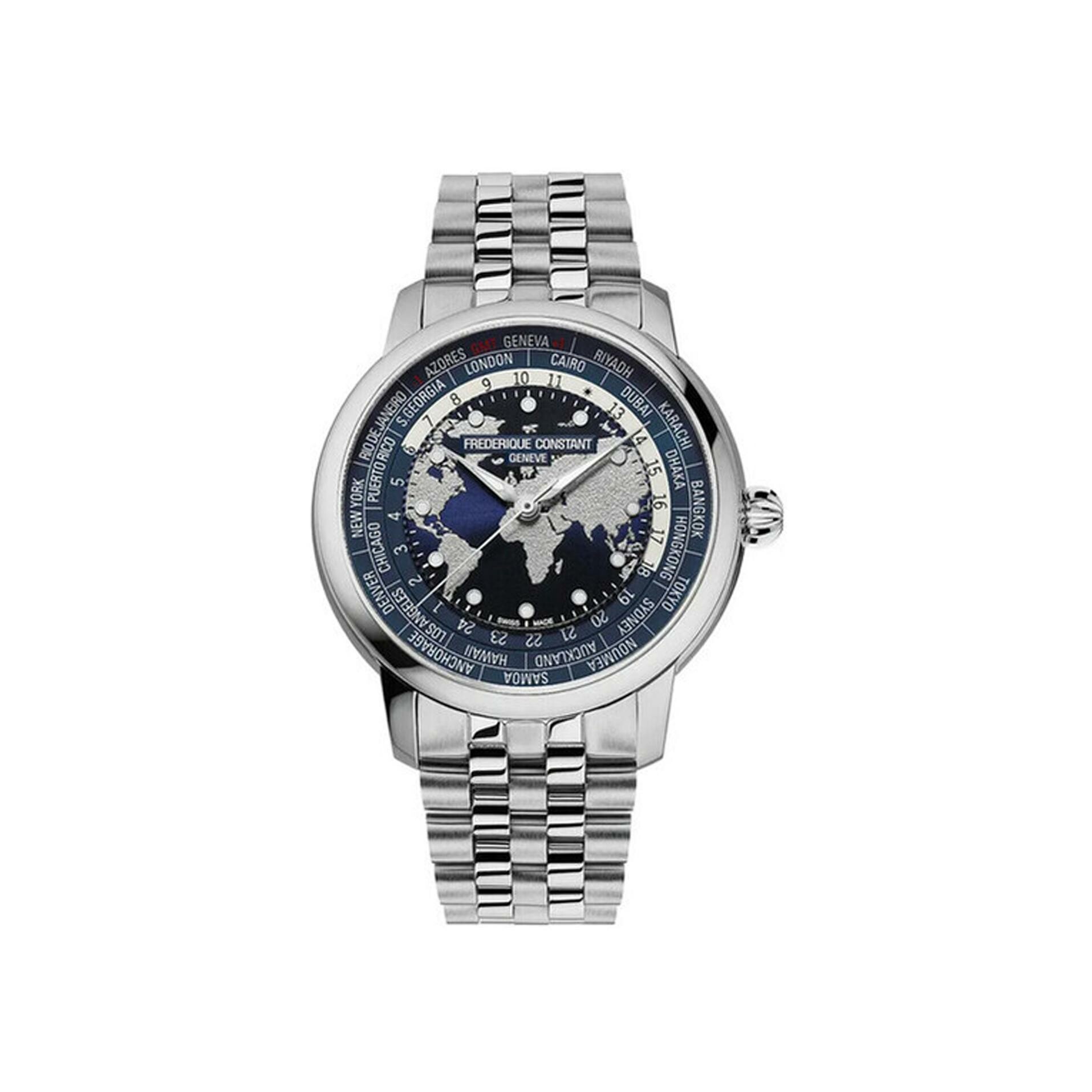
Frédérique Constant
Frédérique Constant Manufacture Classic Worldtimer watch
4995 €
Or
10x
509.29 €
fees included
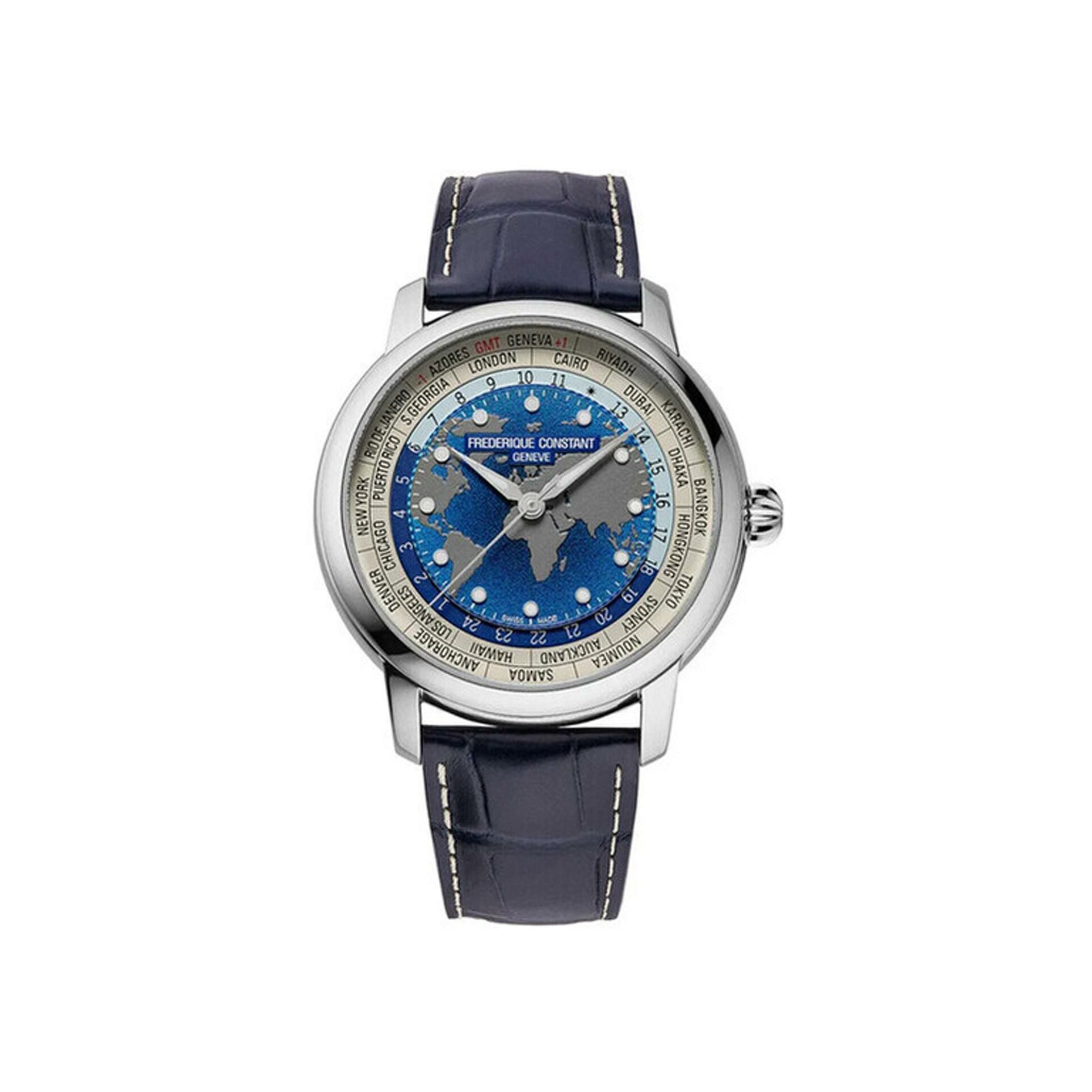
Frédérique Constant
Frédérique Constant Manufacture Classic Worldtimer watch
4995 €
Or
10x
509.29 €
fees included
Frédérique Constant
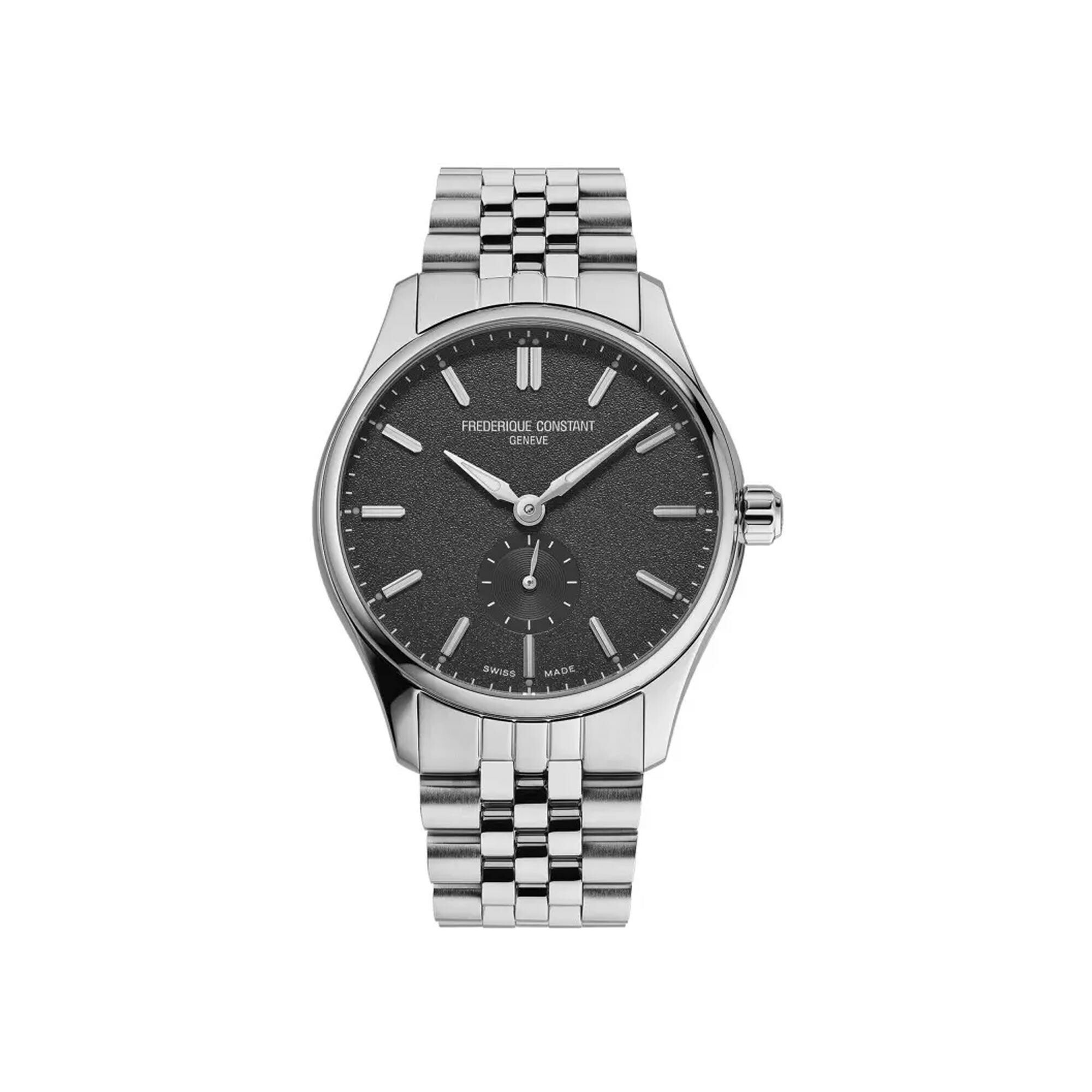
Frédérique Constant Classics Index Small Seconds Automatic watch
1295 €
Or
10x
132.04 €
fees included
Seiko
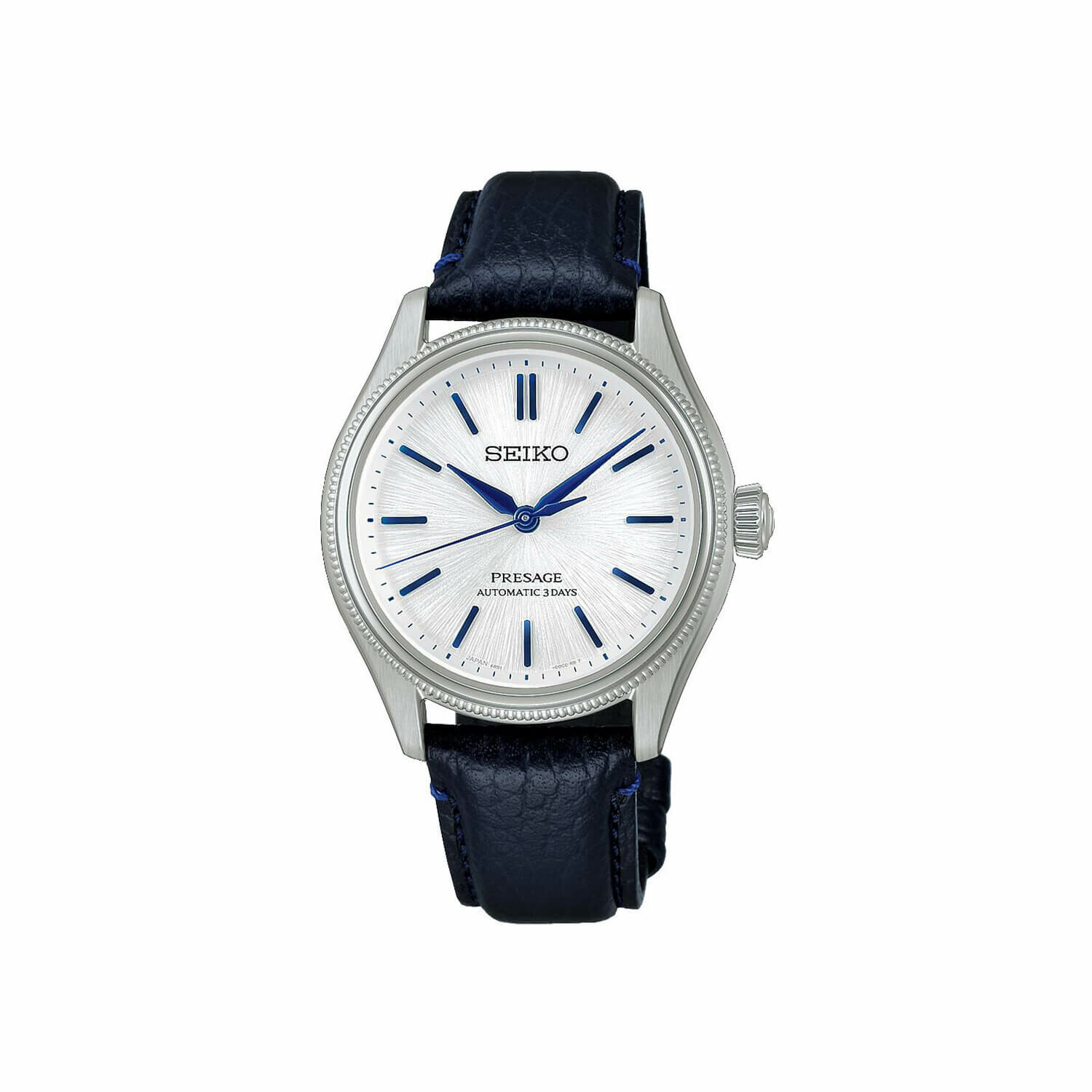
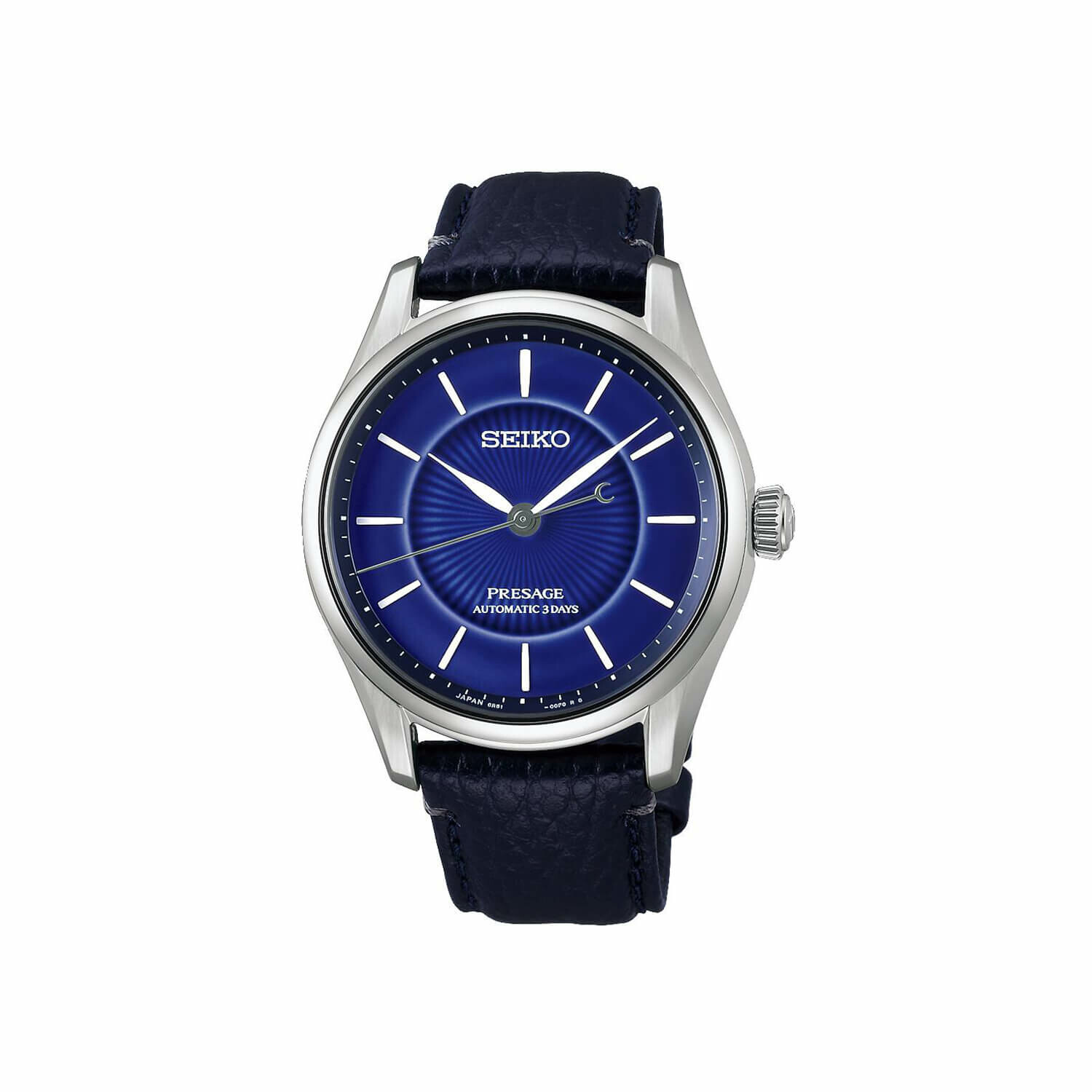
Seiko Presage Classic 145h Anniversary Limited Edition HCC004J1 watch
1050 €
Or
10x
107.06 €
fees included
Seiko
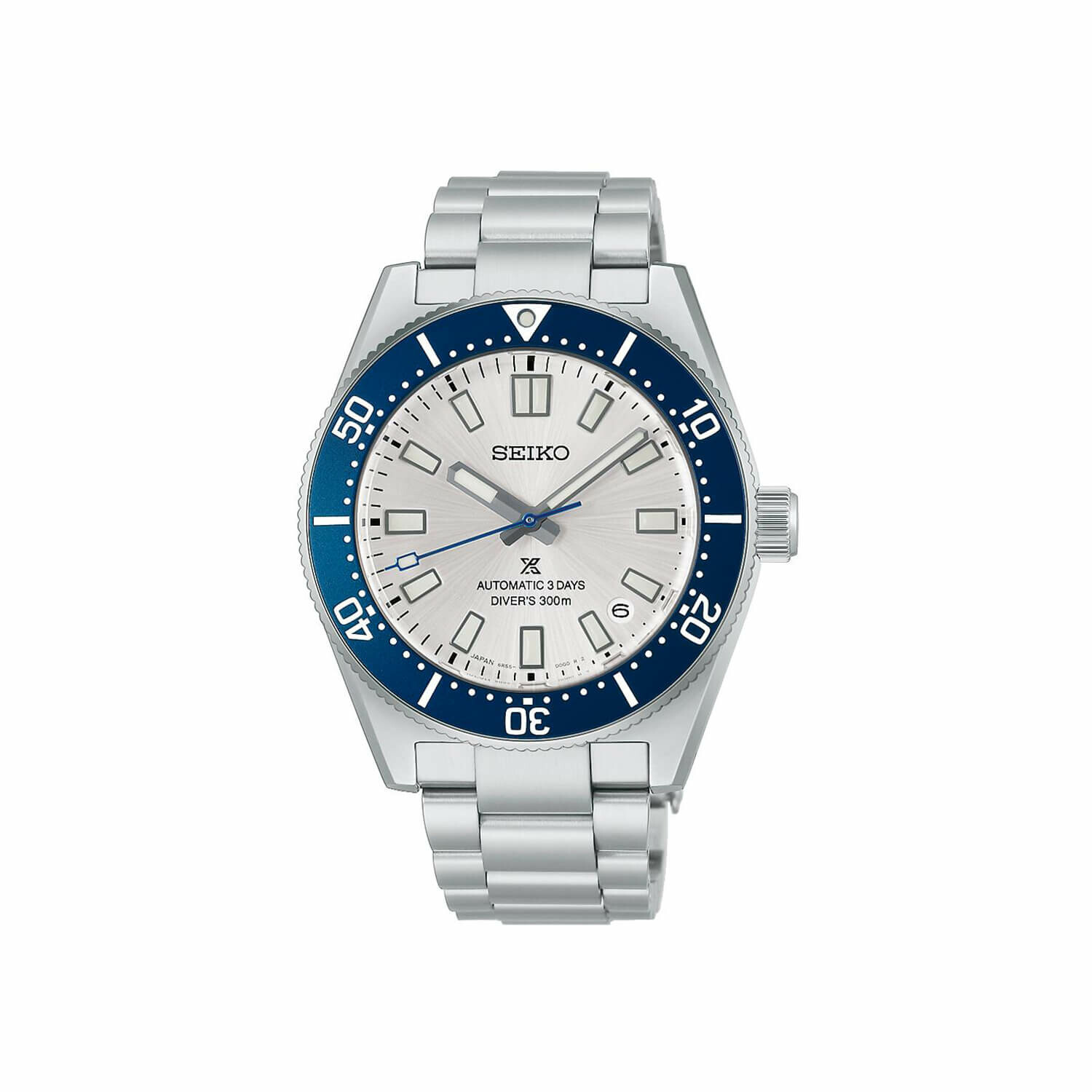
Seiko Prospex Diver's 300M 145th Anniversary Limited Edition HBC005J1 watch
1500 €
Or
10x
152.94 €
fees included
Mido
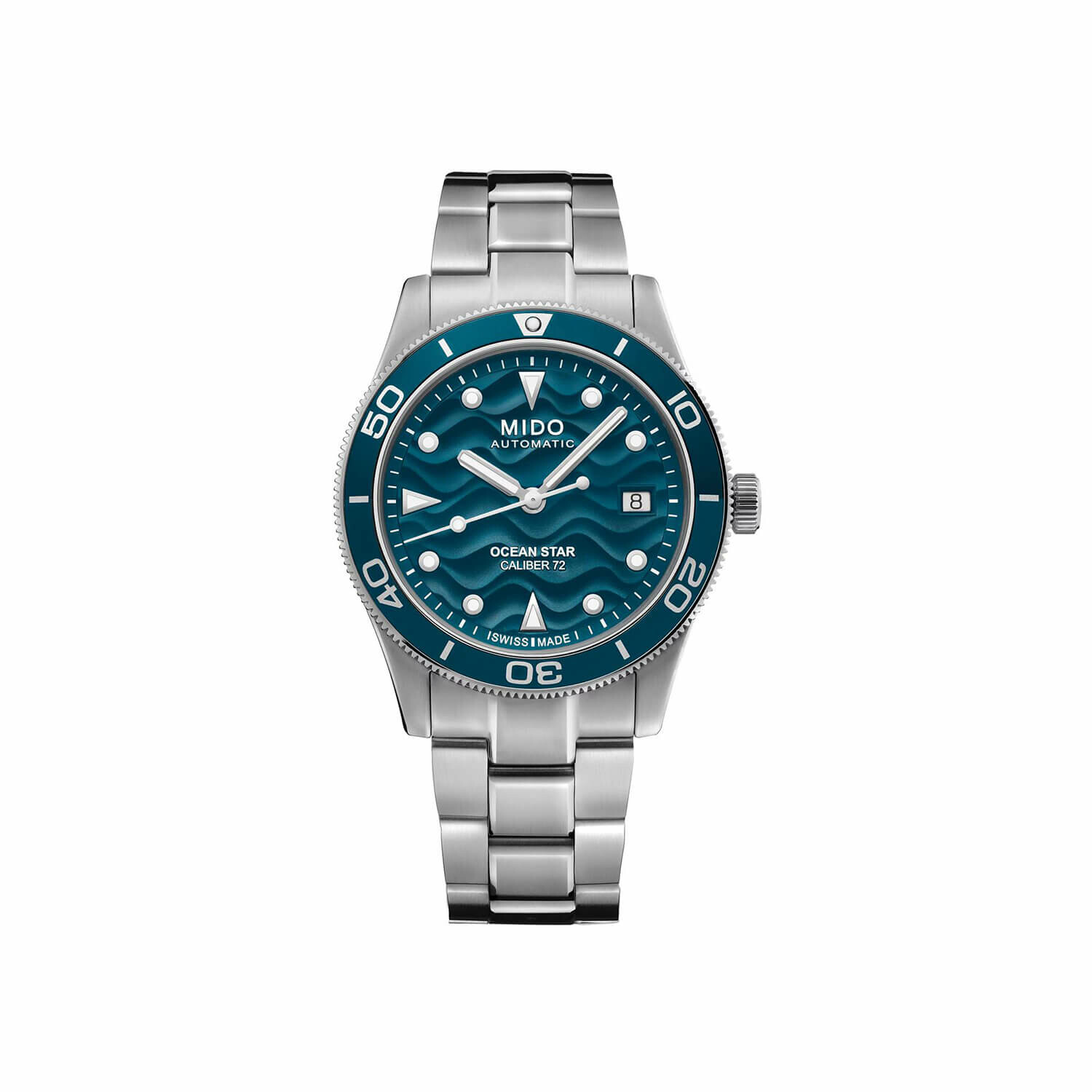
Mido Ocean Star 39 M026.907.11.041.01 watch
1320 €
Or
10x
134.59 €
fees included
Seiko
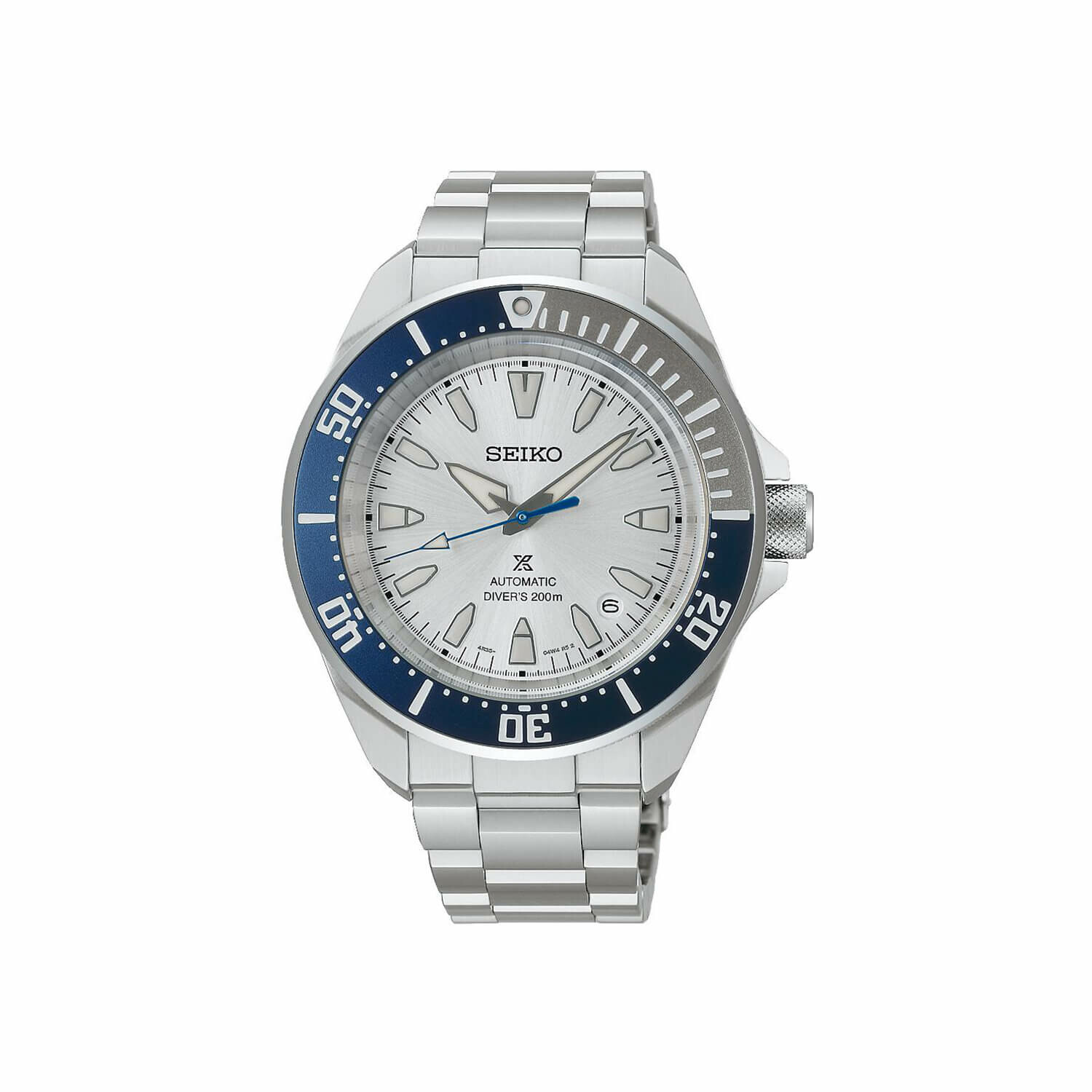
Seiko Prospex Diver's 200M 145th Anniversary Limited Edition HBB001K1 watch
650 €
Or
10x
66.27 €
fees included
Seiko
Seiko Presage Craftmanship 145h Anniversary Arita Porcelain Limited Edition HCC007J1 watch
1800 €
Or
10x
183.53 €
fees included
Lip
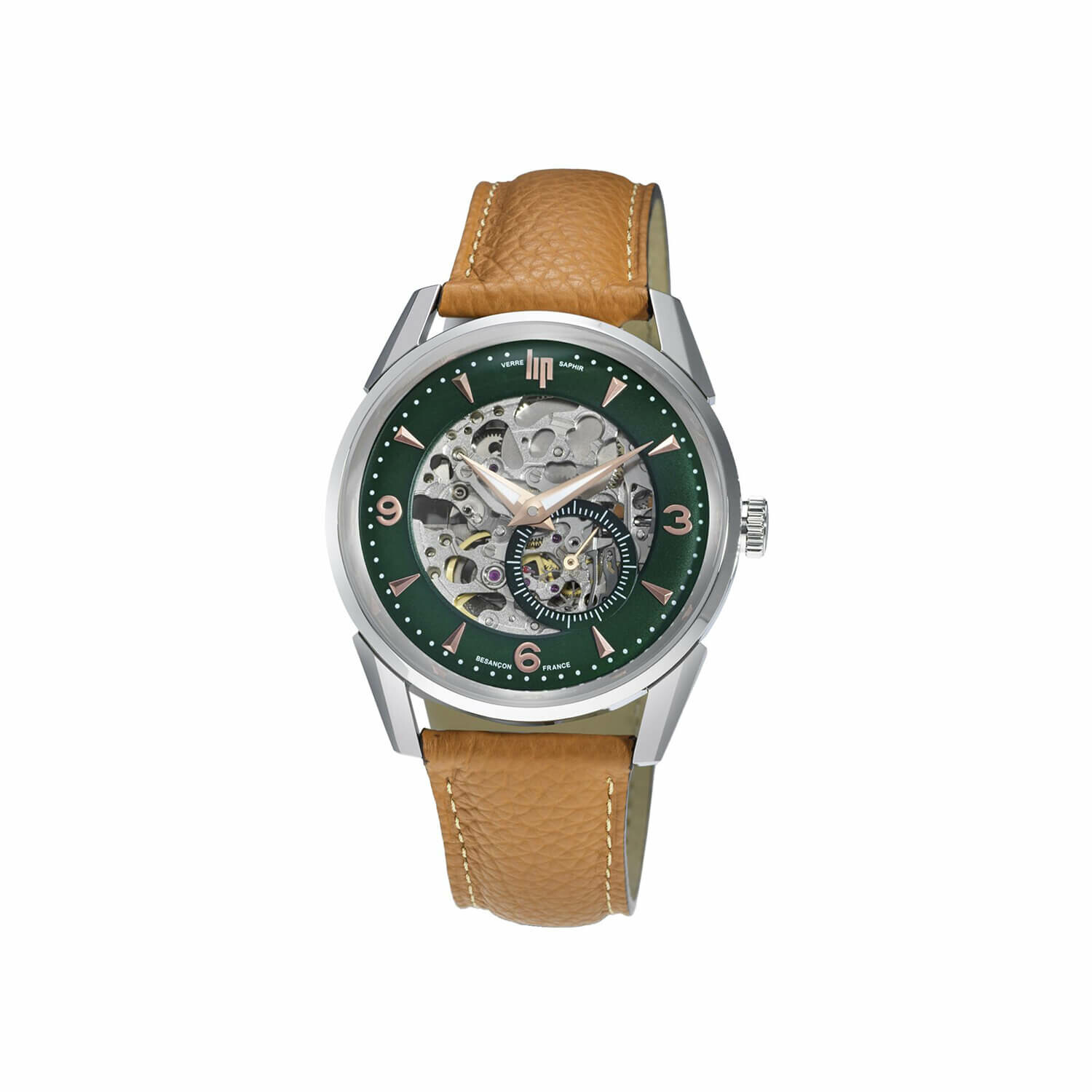
Lip x Peugeot Motocycles Himalaya Automatique Squelette 40mm 671731 watch
439 €
Or
10x
44.76 €
fees included
Seiko 5
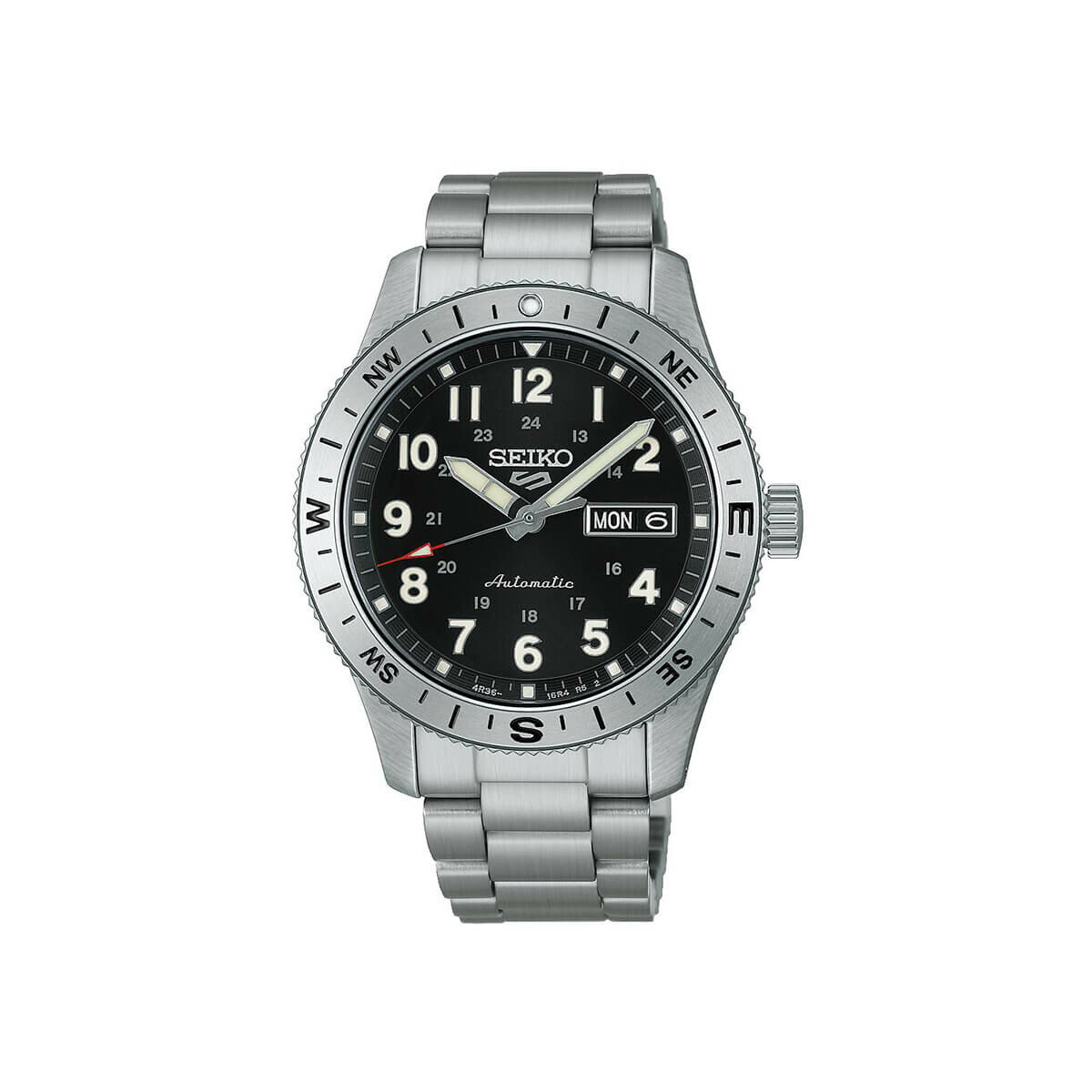
Seiko 5 Sports Field Series HDB006K1 watch
410 €
Or
10x
41.80 €
fees included
An automatic watch is appealing first and foremost because of its mechanical “soul.” Unlike a quartz watch, it does not simply display the time: it lives, moves, and winds itself with your rhythm. This connection between the object and its wearer makes it especially captivating.
It is also a durable choice. A well-maintained automatic watch can last for many years, even generations. It follows a long-term logic, quite different from disposable objects, with a true sense of longevity.
Finally, it offers a unique user experience. The transparent case back, the subtle ticking, the motion of the rotor—all contribute to the horological experience. You are not just buying a watch; you are adopting a mechanism.
Conclusion
An automatic watch is a mechanical timepiece that runs without a battery thanks to wrist movement. It differs from a quartz watch in its mechanism, maintenance, accuracy, and above all in the experience it offers.
At Emile Léon, you can find a wide range of brands suited to all styles, from Seiko to Tissot, including HAMILTON, Certina, Frédérique Constant, Mido, Lip, and March LA.B. If you are looking for a watch that combines technique, elegance, and horological pleasure, the automatic watch is an excellent starting point.




 Back
Back